Painting / Independent editorial guide
A closer look at Dutch painting.
Dutch museum collections offer many ways into painting. You can begin with a subject, a period, or simply a detail that holds your attention.
Published: 14 October 2026 · 2 min read
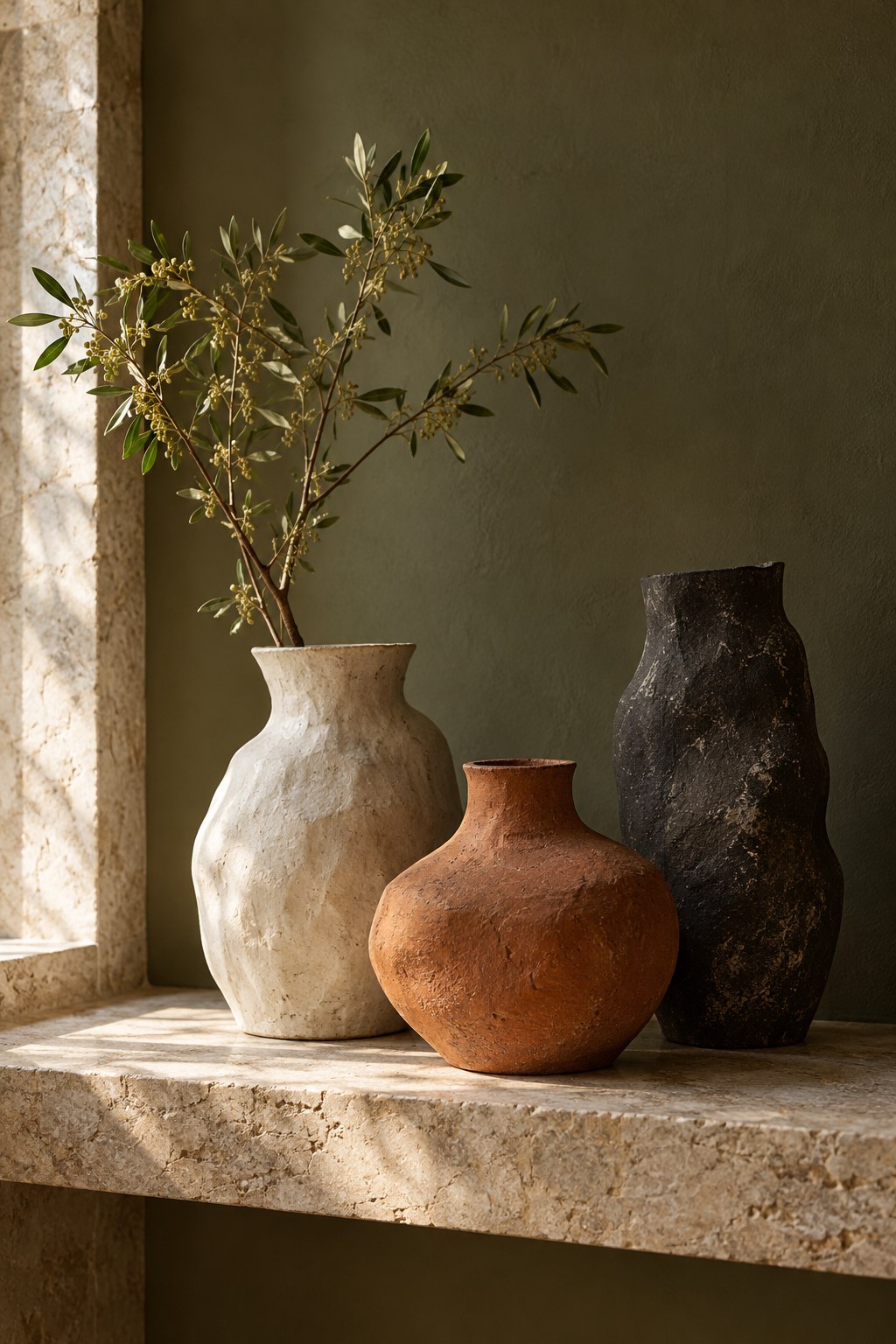
AI-generated editorial illustration. Not a photograph of a museum, collection, or artwork on display.
The Mauritshuis in The Hague brings together Dutch and Flemish painting, with a particular focus on the seventeenth century. Its collection includes portraits, landscapes, domestic scenes, and still lifes. That variety makes it a useful starting point for learning to look at different kinds of pictures.
Begin with what you can see.
Before reading a label, describe the scene to yourself in plain language. Where does the light come from? Which figure, object, or colour do you notice first? What feels close, and what seems far away? These questions give you a route into the picture without requiring specialist knowledge.
In a portrait, look at the relationship between a face, a gesture, and the surrounding space. In a landscape, follow the path your eye takes toward the distance. In a still life, compare the textures of the objects rather than treating them as a single arrangement.
Read the label, then return to the picture.
A label can supply a name, a date, and a useful explanation of the subject. Use that information to look again. A detail that seemed decorative might help explain the setting or the painter’s choices. Keep the museum’s interpretation distinct from your own response: both can contribute to the experience.
Try a second kind of collection.
The Van Gogh Museum in Amsterdam presents paintings, drawings, and letters connected with Vincent van Gogh. Compared with moving between many artists, a collection focused on one artist invites you to notice changes in colour, technique, and subject over time.
Choose two works that feel different from one another. Ask which changes come from the subject and which come from the handling of paint. You do not have to decide which work is better; comparison is a way to notice more.
A useful habit to take with you.
Write down one observation in your own words after leaving a room. Keep it specific: a shadow, a repeated colour, a turned hand. A museum visit becomes easier to remember when it is connected to something you actually noticed.
Sources and scope
Collection facts checked against the Mauritshuis and Van Gogh Museum’s published collection information. Looking exercises are this journal’s own editorial suggestions.
Original editorial commentary. Read the Editorial Policy.