Design / Independent editorial guide
Art, design, and the everyday.
A museum can make a familiar object feel unfamiliar again. Put it beside an artwork, and the questions of colour, proportion, and material become easier to see.
Published: 14 October 2026 · 2 min read
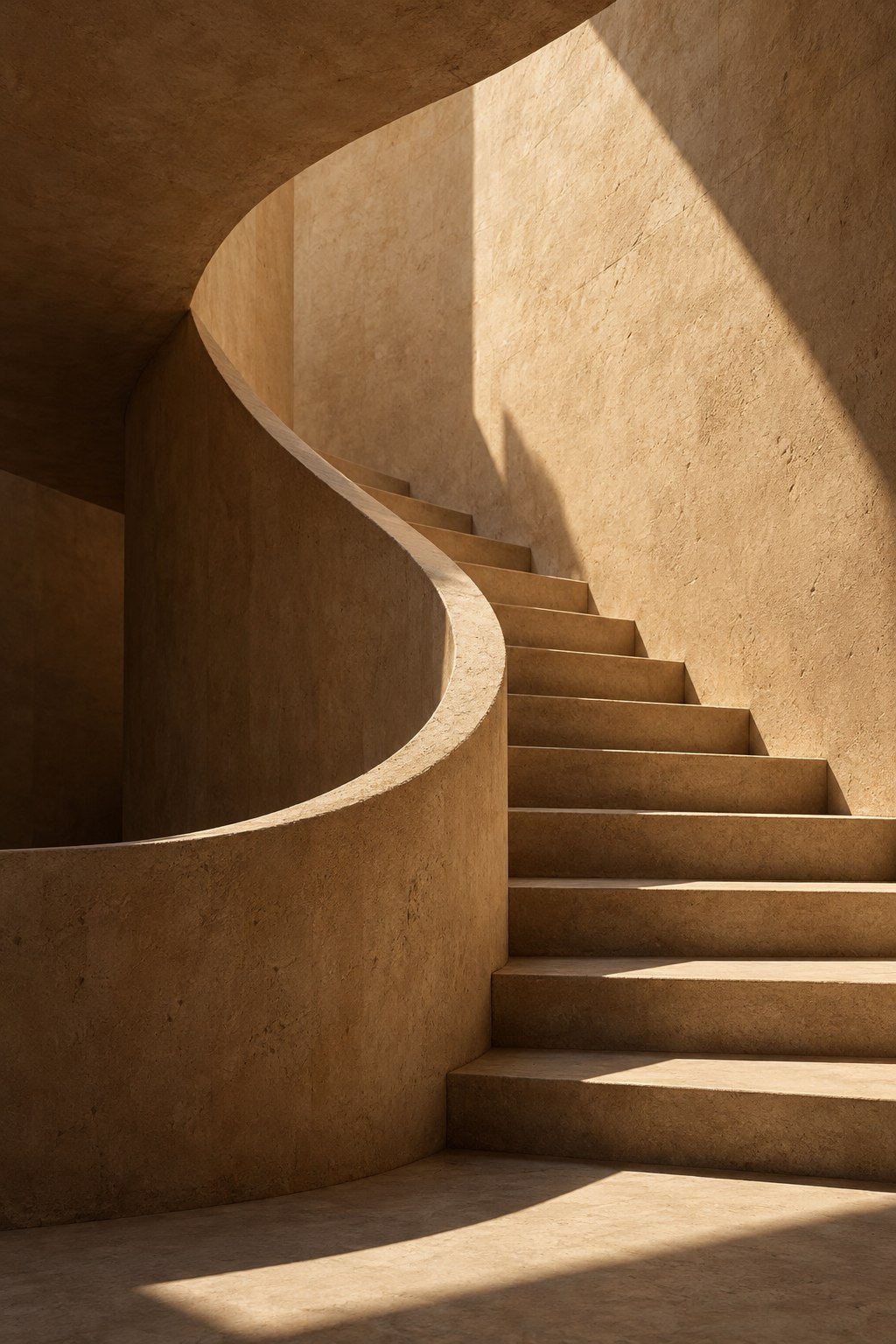
AI-generated editorial illustration. Not a photograph of a museum, collection, or artwork on display.
Kunstmuseum Den Haag’s collection spans several fields, including modern art, Mondrian, Delftware, and fashion. That breadth makes it a helpful example of how visual ideas move between paintings and objects associated with everyday life.
Begin with a shared visual question.
Choose a simple idea to follow: the balance of a shape, the contrast between two colours, or the way a material catches the light. You can ask the same question of a painting, a ceramic vessel, or a garment even though those objects have different purposes.
For an abstract composition, pay attention to relationships rather than trying immediately to identify a represented scene. Where do lines meet? Which areas feel heavy or light? How much of the surface remains open?
Notice function as well as appearance.
A useful object adds another layer. A handle needs to be held; an opening needs to be used; fabric needs to move with a body. Ask how the maker has responded to those practical needs, then compare them with the object’s visual character.
Not everything in a museum is displayed in its original context. A label can help explain how an object was used, who made it, or which period it belongs to. Avoid filling gaps with assumptions about a maker’s intentions.
Read a collection across categories.
When different kinds of objects share a museum, looking across categories can be rewarding. A repeated curve, a limited palette, or a carefully balanced arrangement can become a thread through a visit.
These connections are ways of exploring, rather than evidence that two works have a documented historical relationship. When a historical link matters, check the museum’s explanation or catalogue rather than relying on resemblance alone.
Take the question home.
After the visit, look at an ordinary object you use every day. Consider its weight, its edges, and the decisions built into it. Museum looking can make everyday design more visible without turning every object into a masterpiece.
Sources and scope
Collection fields checked against Kunstmuseum Den Haag’s published collection overview. Comparisons and looking exercises are the journal’s own commentary.
Original editorial commentary. Read the Editorial Policy.